
Why Does My Dog Eat Grass? What’s Normal, What’s Not, and When to Call the Vet
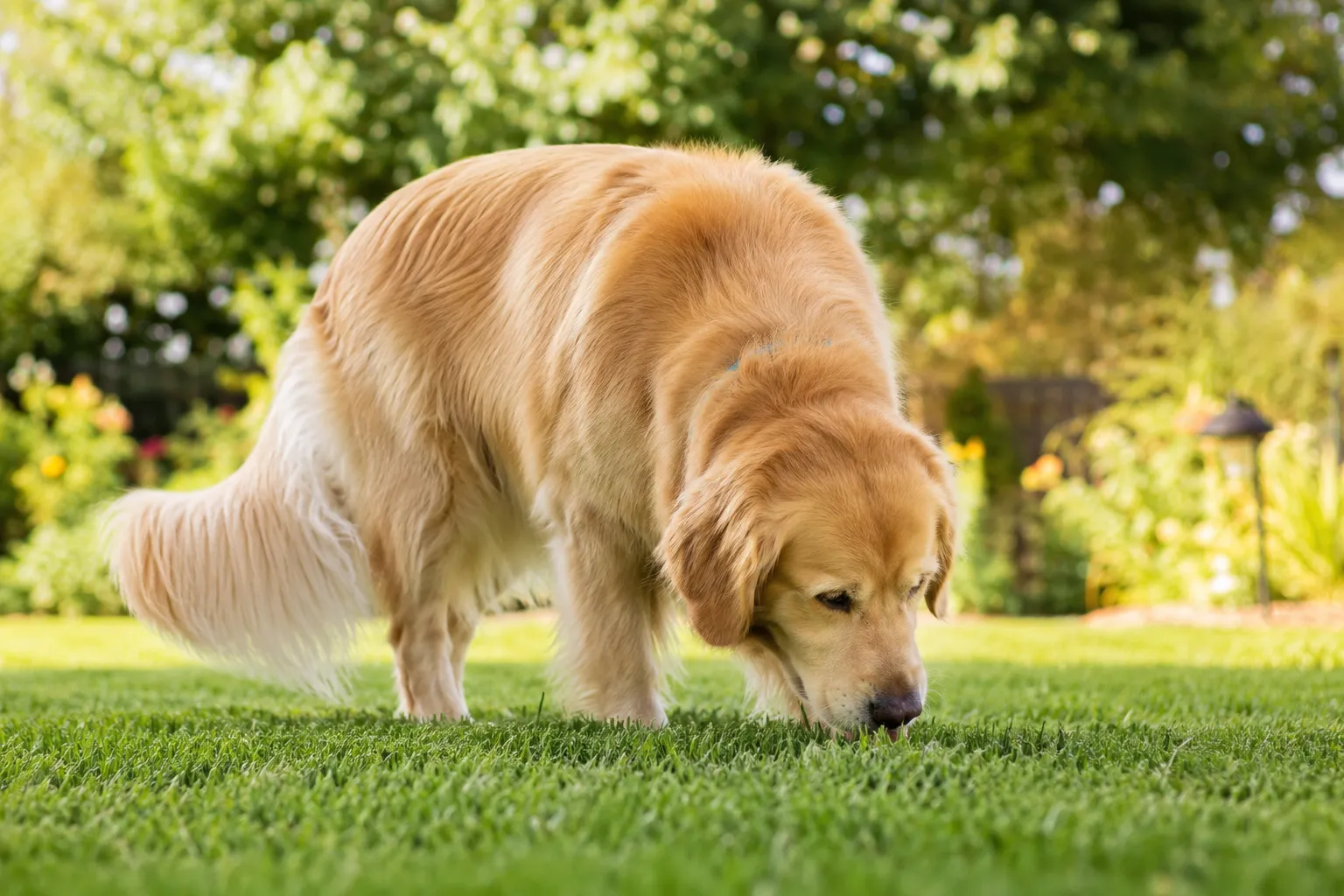
If your dog suddenly starts grazing like a tiny mower, the most common explanation is usually simple: occasional grass eating is often normal, but a change in pattern can point to boredom, mild stomach upset, a learned habit, or pica. The real clue is not the grass itself. It’s whether the behavior is new, frequent, frantic, or followed by vomiting, diarrhea, or appetite changes.
The short answer
- Occasional grass eating is usually harmless, but frequent or frantic grazing can signal a problem.
- Boredom, nausea, learned habit, and pica are the most common reasons dogs eat grass.
- If grass eating comes with vomiting, diarrhea, appetite loss, or lip-licking, stomach upset is more likely.
- Check for treated lawns, fertilizer, debris, and other contamination before assuming the grass itself is the issue.
- Daily grass eating or a sudden change in behavior deserves a vet call, especially if other symptoms show up.
Grass is often a symptom, not the problem. A dog may be trying to settle an unsettled stomach, looking for stimulation on a dull walk, or repeating a habit that has become self-reinforcing. If it’s happening every day, getting more intense, or showing up with other symptoms, it stops looking like a quirky habit and starts looking like information.
Is eating grass safe for dogs?
| Grass-eating pattern | How it usually looks | Main risk level | What to pay attention to |
|---|---|---|---|
| Occasional small amounts | A few bites on a walk or in the yard, then the dog moves on | Low | Often harmless if your dog is otherwise normal |
| Frequent grazing | Repeatedly choosing grass during the day or on every walk | Moderate | Can reflect boredom, habit, or nausea |
| Frantic eating | Rushing to the grass, grabbing mouthfuls, swallowing fast | Higher | More concerning for stomach upset or another problem |
| Grass plus contamination | Lawn has fertilizer, herbicide, trash, mulch, or standing water | Higher | The grass may be the carrier, not the cause |
| Grass plus illness signs | Vomiting, diarrhea, reduced appetite, lethargy, or pain | Higher | Needs attention because the pattern may be medical |
By itself, a small amount of grass is usually not dangerous. The risk changes if the lawn has been treated or contaminated. Pesticides, herbicides, fertilizer pellets, parasites, sharp stems, and debris can all turn a harmless nibble into a real problem. VCA Animal Hospitals and GoodRx both note that the behavior is common; the context is what tells you whether it stays in the harmless bucket.
A dog with vomiting, diarrhea, reduced appetite, belly pain, or a history of eating non-food items deserves a lower threshold for concern. That is especially true if the grass eating looks compulsive rather than casual. Once the behavior is tied to other symptoms, you are no longer just watching a habit. You are watching a pattern that may need a vet.
What are the most common reasons dogs eat grass?
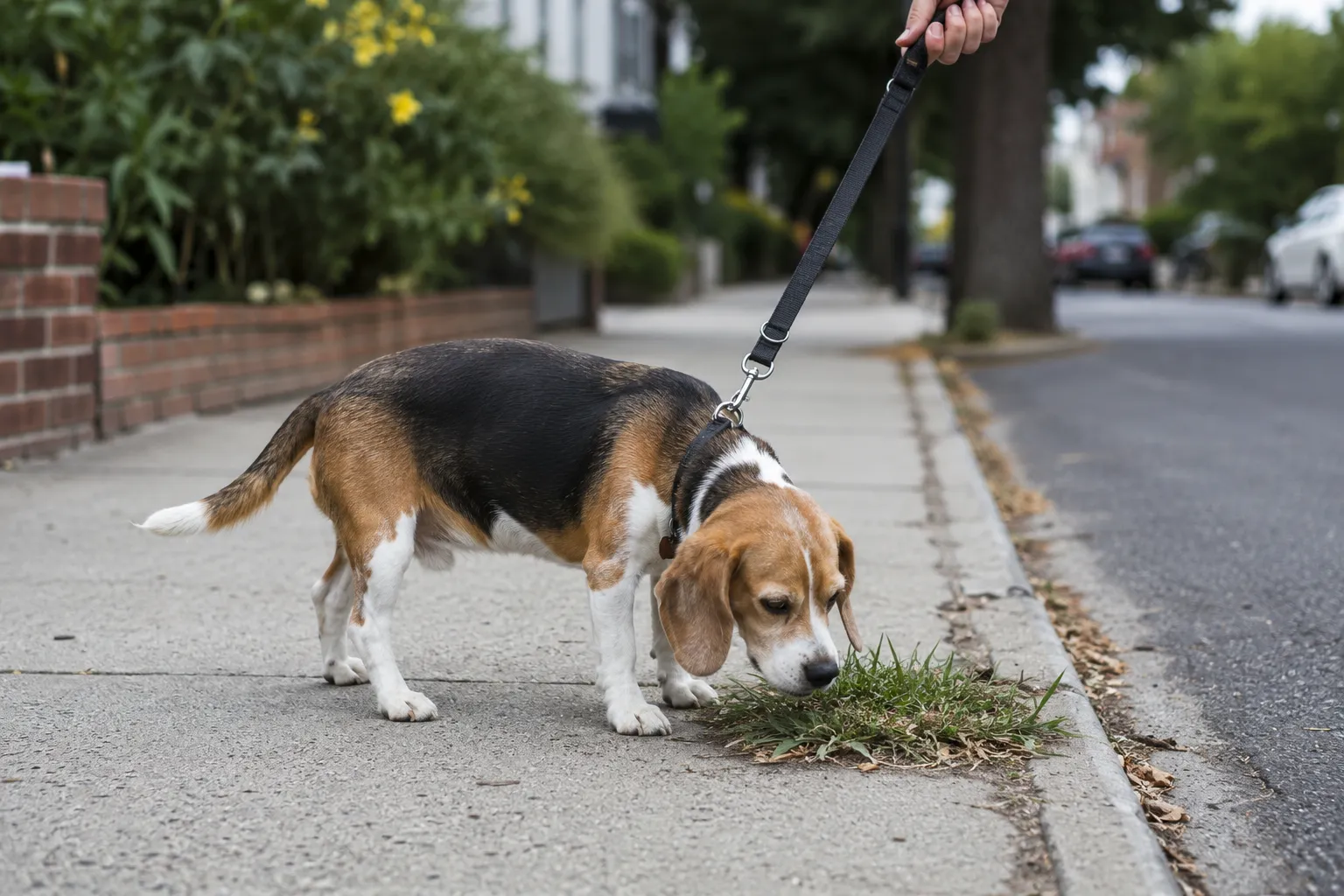
- Boredom or under-stimulation, especially in dogs that graze during walks or while standing in the yard and then settle normally afterward. The Royal Kennel Club notes that more mental stimulation and physical exercise can help when grass eating seems tied to boredom.
- Stomach upset or nausea, including the classic pattern where a dog eats grass, swallows repeatedly, and then vomits. Mission Road Animal Clinic and VCA Animal Hospitals both describe this as a common explanation, though it is not the only one.
- Dietary and pica-related explanations, where a dog eats non-food items out of habit or compulsion. VCA Animal Hospitals identifies this behavior as pica and notes that dogs on well-balanced, commercial diets should not usually be nutritionally deficient, which is an important distinction if you are blaming the food without evidence.
- Routine, attention-seeking, or learned behavior, especially if the dog has done it for a long time and nothing else is wrong. Some dogs simply discover that grass is available, interesting, and occasionally reactive enough to become part of their routine.
The key point is that grass eating is a behavior, not a diagnosis. A dog may graze because she’s bored on a slow walk, because her stomach already feels off, or because the habit has become self-reinforcing. The same mouthfuls of grass can mean very different things depending on what happened before, during, and after.
How can I tell if my dog is eating grass because of a stomach problem?
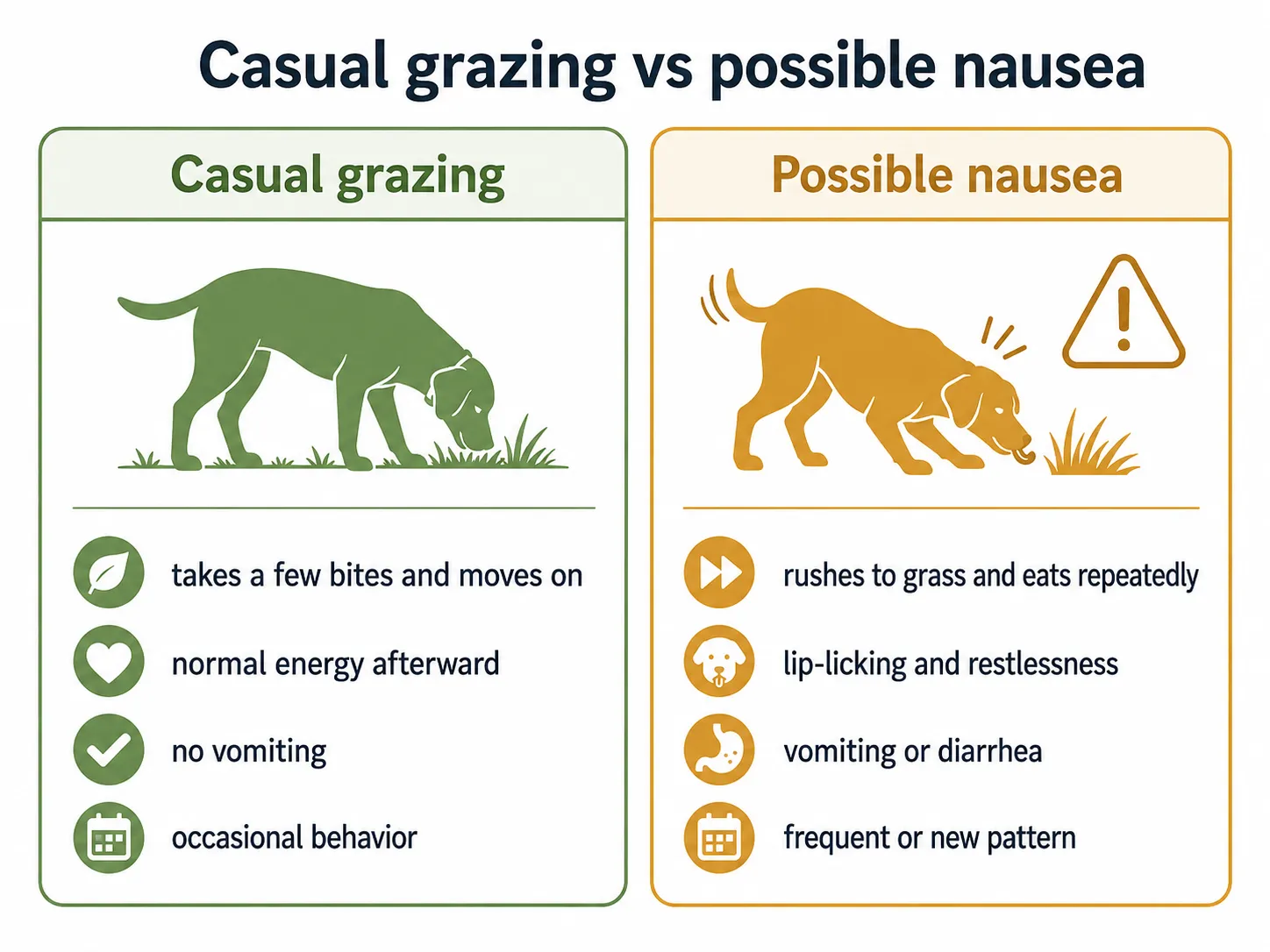
The strongest clue is timing. If your dog starts lip-licking, swallowing hard, drooling, pacing, or trying to eat grass right before vomiting, that points much more toward nausea or reflux than simple grazing. A single episode can be meaningless. Repeated episodes with the same pattern deserve attention.
| More likely casual grazing | More likely stomach upset or nausea |
|---|---|
| Takes a few bites and moves on | Rushing to the grass and eating repeatedly |
| Normal energy afterward | Restless, drooling, lip licking, or repeated swallowing |
| No vomiting or diarrhea | Vomiting, diarrhea, or reduced appetite |
| Looks curious or distracted | Looks urgent, frantic, or uncomfortable |
| Happens occasionally | Happens repeatedly or is getting more frequent |
One reason this gets confusing is that grass can appear both before and after vomiting. Some dogs seem to seek it out when their stomach feels unsettled, while others vomit after chewing it. That is why timing matters. If the behavior is new, intensifying, or paired with appetite changes, don’t dismiss it as a harmless quirk.
What should I do at home if my dog keeps eating grass?
Start by watching the pattern for a few days instead of reacting to one moment. The goal is to figure out whether this is a boredom habit, a lawn issue, or a sign your dog feels unwell. That information is more useful than trying to stop every blade of grass in the moment.
- Write down how often it happens, when it happens, and what your dog was doing right before. Note whether it is on walks, in the yard, after meals, or late at night.
- Add more enrichment if boredom seems likely. Sniff walks, puzzle feeders, short training games, and structured exercise can all reduce the urge to graze out of habit. The Royal Kennel Club specifically points to more mental and physical stimulation as a useful change.
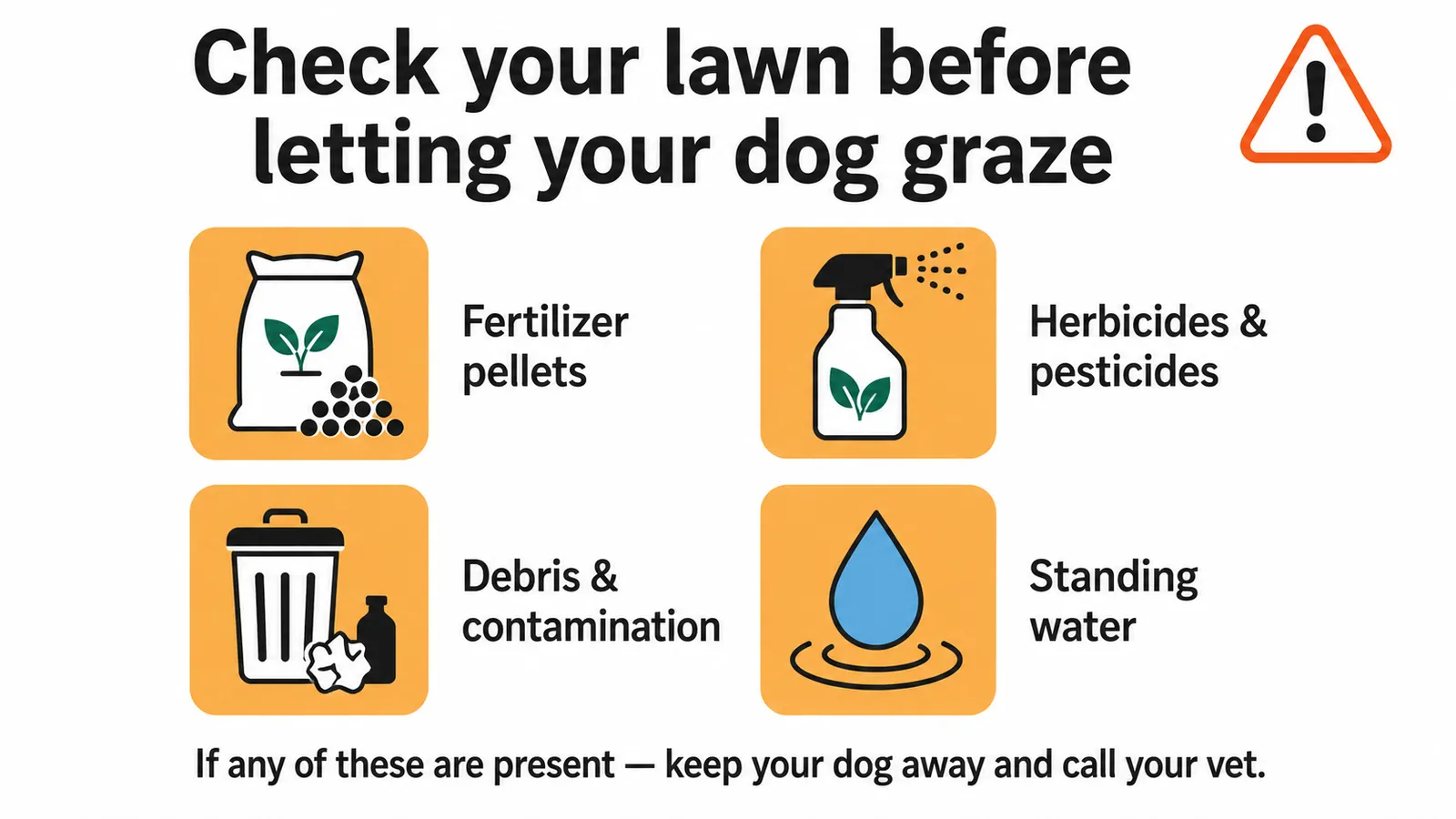
- Inspect the environment closely. Check for fertilizer, herbicides, bait, trash, mulch, and standing water before assuming the grass itself is the issue. If your dog is on unfamiliar turf, be more cautious.
- Do not rely on punishment or constant interruption as the only solution. That may stop the behavior for a minute, but it does nothing to tell you why it is happening, which is the part that actually matters.
If the grass eating seems tied to meals, recent diet changes, or a dog that also picks up socks, sticks, or other non-food items, take the pattern seriously. That doesn’t automatically mean a major disease, but it does mean the behavior is no longer random. A dog on a balanced commercial diet can still eat grass, but pica or stomach upset should stay on your radar if the habit is escalating.
When should I take my dog to the vet for eating grass?
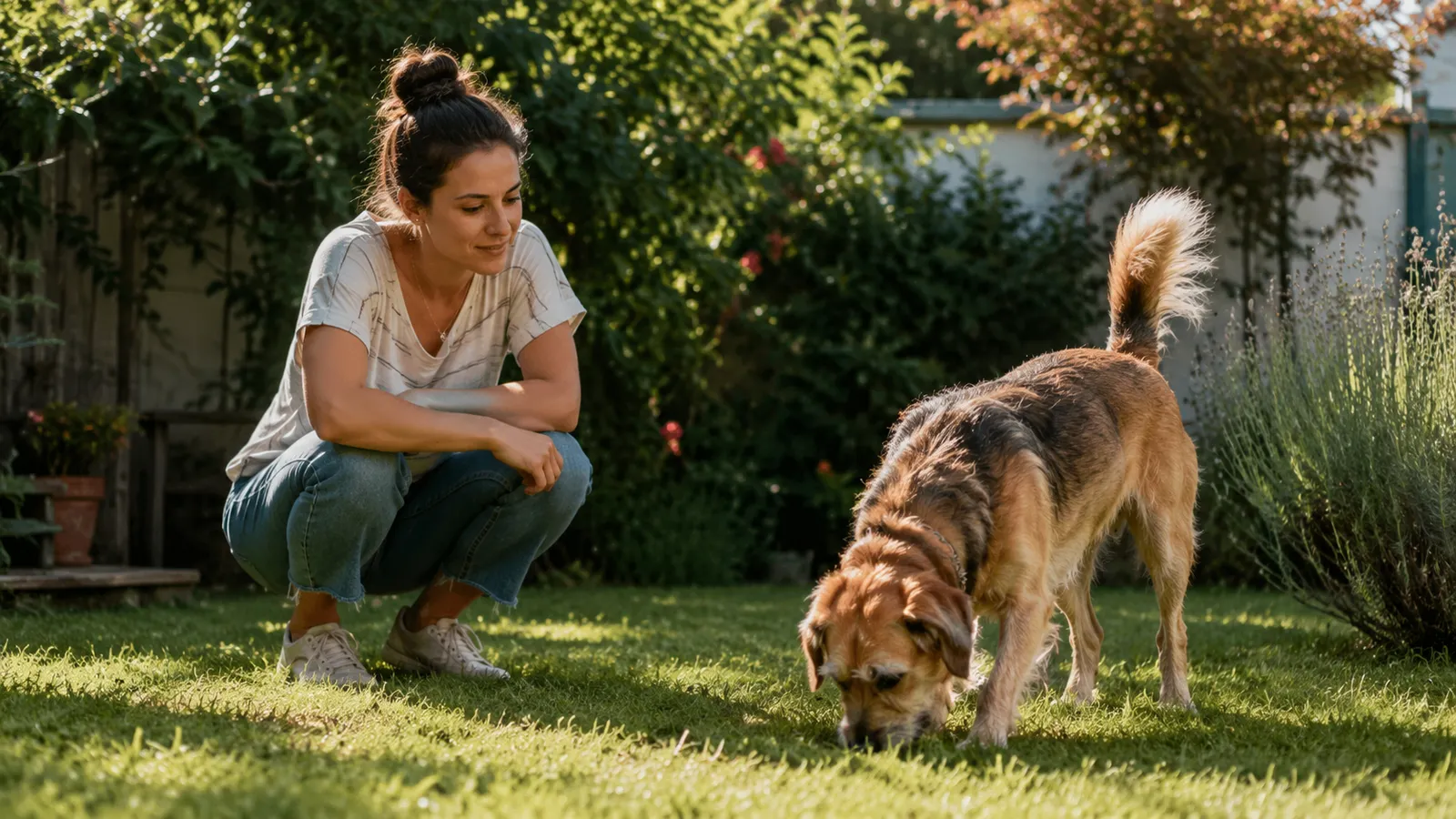
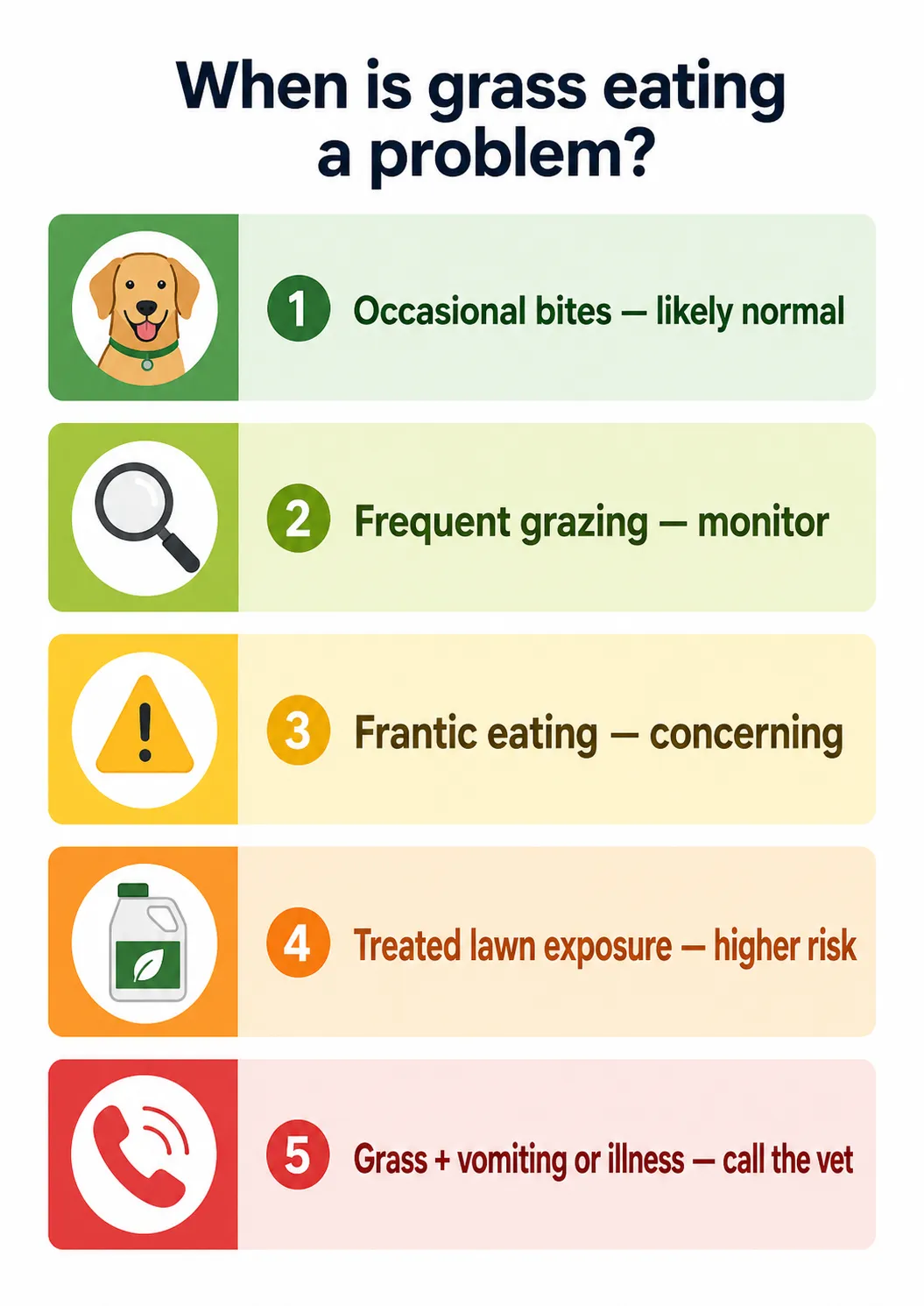
The fastest way to judge grass eating is to score the pattern, not the blade of grass. Use four criteria: frequency, context, accompanying symptoms, and lawn exposure. Those four clues usually tell you whether you’re looking at likely normal behavior, a monitoring situation, or a vet call. I call it a simple grass-pattern check.
- Your dog is vomiting repeatedly, has diarrhea, refuses food, seems painful, or acts unusually tired.
- The grass eating is sudden, frantic, or clearly new and persistent.
- You suspect toxin exposure, such as fertilizer, herbicide, or contaminated lawn areas.
- There is blood in the vomit or stool, or your dog cannot keep water down.
- The behavior is happening daily, getting worse, or showing up together with appetite changes.
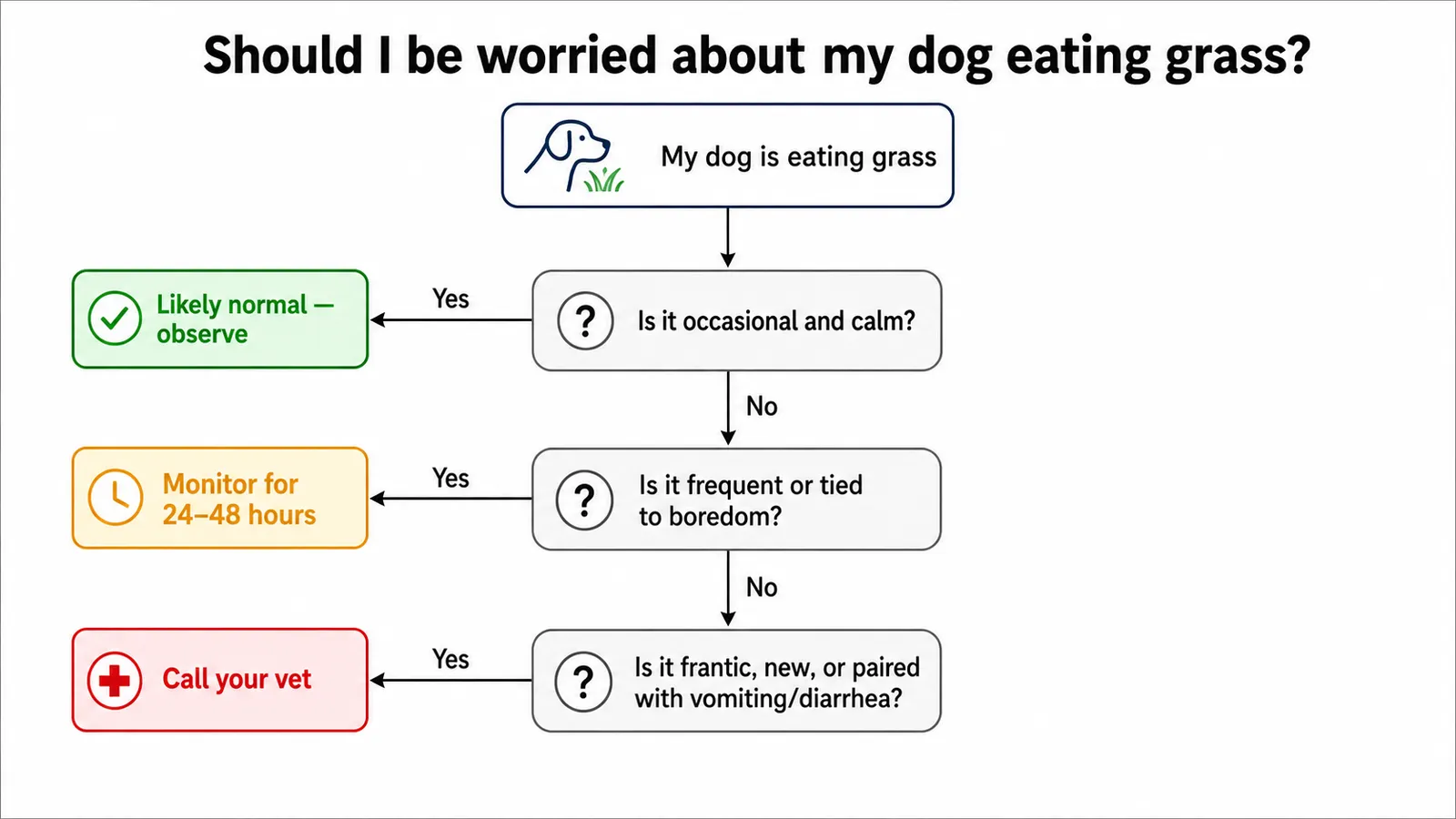
Here’s the short version: a dog that takes a few bites on a normal walk and then goes home acting fine is usually likely normal. A dog that grazes more often but has no other symptoms and no toxin exposure is usually in the monitor bucket. A dog that keeps returning to the grass, eats urgently, or pairs it with lip-licking and restlessness is more concerning. And any treated lawn, plus vomiting or diarrhea, moves you toward call the vet.
A simple grass-eating checklist: normal habit or something more?
This framework matters because the same behavior can sit in very different risk categories. A dog that takes three bites of grass on a healthy walk and then happily heads home is not the same as a dog that keeps returning to the lawn, drools, and skips dinner. The first pattern usually supports monitoring. The second asks for a vet conversation.
| Criterion | Likely normal | Monitor closely | Call the vet |
|---|---|---|---|
| Frequency | Rare, occasional, brief | Happens more than once over several days | Daily, increasing, or frantic |
| Context | On a walk, then dog moves on | Seems tied to boredom, routine, or after meals | Appears suddenly or with clear discomfort |
| Accompanying symptoms | None; dog otherwise acts normal | Mild appetite changes or occasional swallowing | Vomiting, diarrhea, lethargy, pain, reduced appetite |
| Lawn exposure | Clean yard or familiar grass | Unknown area or recent lawn treatment not confirmed | Known chemical exposure, trash, or contaminated ground |
| Likely next step | Observe | Track for 24-48 hours and improve enrichment | Call your vet promptly |
The part owners miss most often is lawn exposure. A patch of grass can look normal and still be the problem if it has been treated, sprayed, or contaminated. If you have any reason to suspect toxins, do not wait to see whether the behavior disappears on its own.
What to watch over the next 24 to 48 hours is simple: appetite, energy, stool quality, vomiting, and whether the grass eating is intensifying or fading. If those things stay normal, the behavior is more likely to be a habit or boredom pattern. If they drift in the wrong direction, the grass was probably your first clue, not the actual problem.
A dog eating grass once in a while is usually just being a dog. A dog that suddenly eats grass hard, often, or with vomiting, diarrhea, or appetite changes is asking for a closer look. Trust the pattern, not the reassurance of the moment, and you’ll usually know sooner whether this is a harmless habit or something worth calling the vet about.
Why do dogs eat grass in the first place? The most common explanations are boredom, nausea or an upset stomach, habit, and pica. Some dogs also do it simply because the behavior has been reinforced over time. A balanced commercial diet makes a true nutrient deficiency less likely, but it does not rule out stomach upset or pica.
Questions owners ask
Why does my dog eat grass and then throw up?
Some dogs seek out grass when their stomach already feels off, the chewing and swallowing may help trigger vomiting to relieve the discomfort. In others, the grass itself irritates the stomach lining and causes vomiting even when the dog wasn't nauseous to begin with. The clearest sign that nausea came first is the behavior leading up to it: lip-licking, repeated swallowing, drooling, or pacing before the dog even reaches the grass. A single episode isn't cause for alarm. If the pattern repeats, same urgency, same sequence, same outcome, that's worth a vet conversation.
Is it normal for dogs to eat grass every day?
Occasional grass eating is common and usually harmless. Daily grazing is a different pattern and deserves more attention. It can reflect boredom or under-stimulation, a low-grade stomach issue, or a habit that has become self-reinforcing over time. If your dog eats grass every day but otherwise acts normal, good energy, healthy appetite, normal stools, start by adding more mental enrichment and physical exercise and see if the behavior changes. If it doesn't, or if any other symptoms show up, check in with your vet.
Does grass eating mean my dog feels sick?
Not always. Many dogs graze casually out of habit, curiosity, or boredom, with no underlying illness involved. The stronger indicators of stomach upset are the ones that surround the behavior: urgency, lip-licking, restlessness, drooling, or vomiting shortly after. A dog that takes a few unhurried bites on a walk and then carries on normally is far less concerning than one that rushes to the grass and eats frantically. The behavior itself is less informative than the pattern around it.
Should I stop my dog from eating grass?
Not necessarily, and trying to interrupt every mouthful can create more tension than it resolves. If the grass is untreated and the behavior is occasional, observation is more useful than constant redirection. Where it makes sense to intervene is when the behavior is compulsive, escalating, tied to illness, or happening on lawns that may have been treated with fertilizers, herbicides, or pesticides. In those cases, redirecting your dog and investigating the underlying cause is more effective than treating the grass eating as the problem itself.
Can grass eating mean my dog has a nutrient deficiency?
It's one of the more popular explanations, but the evidence behind it is thin. Dogs on complete, balanced commercial diets are unlikely to be nutritionally deficient in a way that would drive them to graze. Grass eating is far more commonly explained by boredom, nausea, habit, or pica, a behavioral tendency to eat non-food items, than by a missing nutrient. If you're genuinely concerned about your dog's diet, that's worth discussing with a vet, but changing the food based on grass eating alone usually doesn't resolve the behavior.
How long should I watch before calling the vet?
One to two days is a reasonable window if your dog is acting normally in every other way, eating well, energetic, no vomiting or diarrhea. Call sooner if the grass eating is sudden and intense, if your dog's appetite drops, or if vomiting, loose stools, belly pain, or lethargy appear alongside it. Don't wait if you have any reason to suspect the lawn was treated with chemicals or contaminated in some way. In those cases, contact your vet the same day.
Sources
Sources consulted for this article:
- Why Does My Dog Eat Grass? 7 Surprising Reasons
- Why Dogs Eat Grass | VCA Animal Hospitals
- Why Is My Dog Eating Grass? - GoodRx
- Why does my dog eat grass - The Royal Kennel Club
- Dogs Eating Grass: Why Do They Do It & Is It Safe? | New York Vets