
Dog Kidney Disease Symptoms Early Signs: The Red Flags, Look-Alikes, and Next Steps
Increased thirst and more frequent urination are the two earliest warning signs of kidney disease in dogs, and because both are easy to write off as normal aging, they slip past most owners for months. By the time more obvious symptoms appear, significant kidney function has already been lost.
The two earliest signs
- Drinking noticeably more water and urinating more frequently are the first clinical signs of CKD in dogs.
- Large-breed dogs can show early kidney disease as young as seven years old, earlier than most owners expect.
- The IRIS staging system classifies CKD in four stages; Stages 1 and 2 may show no obvious symptoms at all.
- SDMA is a blood biomarker that can detect kidney disease earlier than traditional creatinine tests.
- Any combination of increased thirst, reduced appetite, and unexplained weight loss in a senior dog warrants a vet call this week.
What Are the Earliest Signs of Kidney Disease in Dogs?
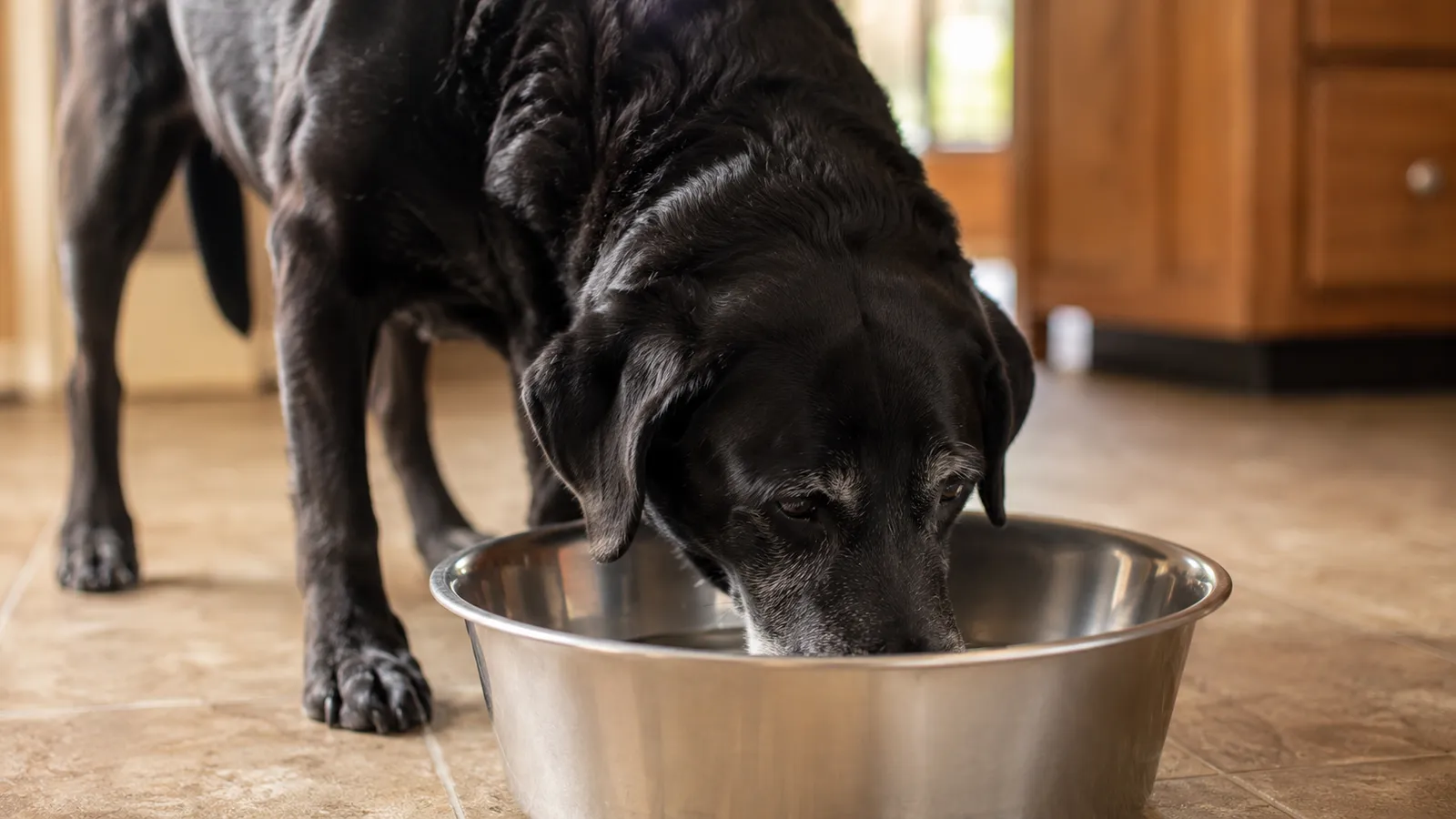
The first sign most owners notice isn't dramatic. The water bowl empties faster. The dog asks to go outside more. At night, the accidents start again, in a dog that's been reliable for years.
This triad, increased thirst, increased urination, and a subtle drop in appetite or energy, is how chronic kidney disease (CKD) announces itself. The kidneys, struggling to concentrate urine as filtering capacity declines, compensate by producing larger volumes of dilute urine. The body then drives the dog to drink more to replace those fluids. According to VCA Animal Hospitals, these are the earliest clinical signs of CKD, representing compensated renal failure, the kidneys are failing, but still working harder to keep pace.
Here's why these signs slip past owners: they look exactly like normal aging. A slower gait, less enthusiasm at dinner, a few more water breaks, none triggers alarm on its own. And because CKD progresses slowly, the pattern builds over months before it crosses any threshold an owner consciously notices. The Merck Veterinary Manual is direct on this: because CKD typically produces no clinical signs until uremia develops or the kidney's concentrating ability is lost, regular monitoring of kidney function in senior dogs is critical for early diagnosis.
I've seen this firsthand. When Barnaby hit nine, his water intake crept up so gradually I assumed it was summer heat. It wasn't until his annual bloodwork that we caught a subtle SDMA elevation, which is exactly why yearly labs matter for dogs over seven.
Symptom Table
| Symptom | How early it appears | Easy to miss? | Common look-alike | What to do |
|---|---|---|---|---|
| Increased thirst (polydipsia) | Stage 1-2 CKD; can be the first sign | Yes, gradual onset, often blamed on weather or activity | Diabetes, Cushing's disease, medication side effects | Measure daily water intake; call the vet if it's consistently doubled |
| Increased urination (polyuria) | Stage 1-2 CKD; parallels increased thirst | Yes, especially in older dogs with loose bladder control | UTI, diabetes, liver disease | Note frequency and volume; bring a urine sample to the vet |
| Reduced appetite or pickiness | Stage 2-3; worsens with uremia | Yes, often labeled "being a picky eater" in senior dogs | Dental pain, nausea from other causes, stress | If appetite decline lasts more than 2-3 days, book a vet visit |
| Unexplained weight loss | Stage 2-3; gradual, easy to attribute to aging | Yes, muscle loss from aging looks identical | Dental disease, cancer, inflammatory bowel disease | Weigh monthly; a loss of more than 10% body weight warrants urgent evaluation |
| Lethargy or reduced energy | Stage 2-3; variable onset | Yes, almost universally blamed on "slowing down with age" | Arthritis, anemia, hypothyroidism | Distinguish from typical senior slowing; sudden lethargy is more concerning |
| Vomiting (especially morning vomiting) | Stage 3-4; indicates rising uremia | Less likely, most owners recognize vomiting as a problem | Dietary indiscretion, gastritis, pancreatitis | Vomiting more than once a week warrants same-day contact with your vet |
| Uremic breath (ammonia or "off" odor) | Stage 3-4; late sign | Sometimes, owners may blame dental disease | Severe dental disease, diabetes (sweet breath) | Ammonia or "fishy" breath without dental disease is a red flag; call the vet today |
What Is the Difference Between Chronic and Acute Kidney Disease?
Not all kidney disease is the same, and the difference between the two main types determines how fast you need to act.
Chronic kidney disease (CKD) develops gradually, over months or years, as kidney tissue loses its filtering ability, urine concentrating function, and fluid regulation. It's irreversible, but it can be managed with diet, hydration support, and medication to slow progression. Because the kidneys have substantial reserve capacity, clinical signs often don't emerge until 65-70% of function has already been lost. As BluePearl Veterinary Partners explains, dogs with chronic renal failure cannot be cured, but their clinical signs can often be managed to maintain a reasonable quality of life.
Acute kidney injury (AKI) is a sudden, severe disruption of kidney function. According to VCA Animal Hospitals, it is potentially reversible if diagnosed early and treated aggressively. AKI develops rapidly, sometimes within hours, and causes sudden vomiting, lethargy, and dramatic changes in urine output. Common causes include toxin ingestion (antifreeze, grapes, raisins), severe bacterial infections such as leptospirosis, or urinary obstruction.
Why this distinction matters for you: If your dog's symptoms developed suddenly in a previously healthy dog, especially with possible toxin exposure, go to an emergency vet now. If symptoms are subtle and have been building over weeks in a senior dog, you likely have time for an urgent but non-emergency appointment this week.
IRIS Staging: What Each Stage Means in Plain Terms
The International Renal Interest Society (IRIS) provides the global standard for staging CKD in dogs, using fasting blood creatinine and SDMA levels assessed on at least two occasions in a stable, well-hydrated patient.
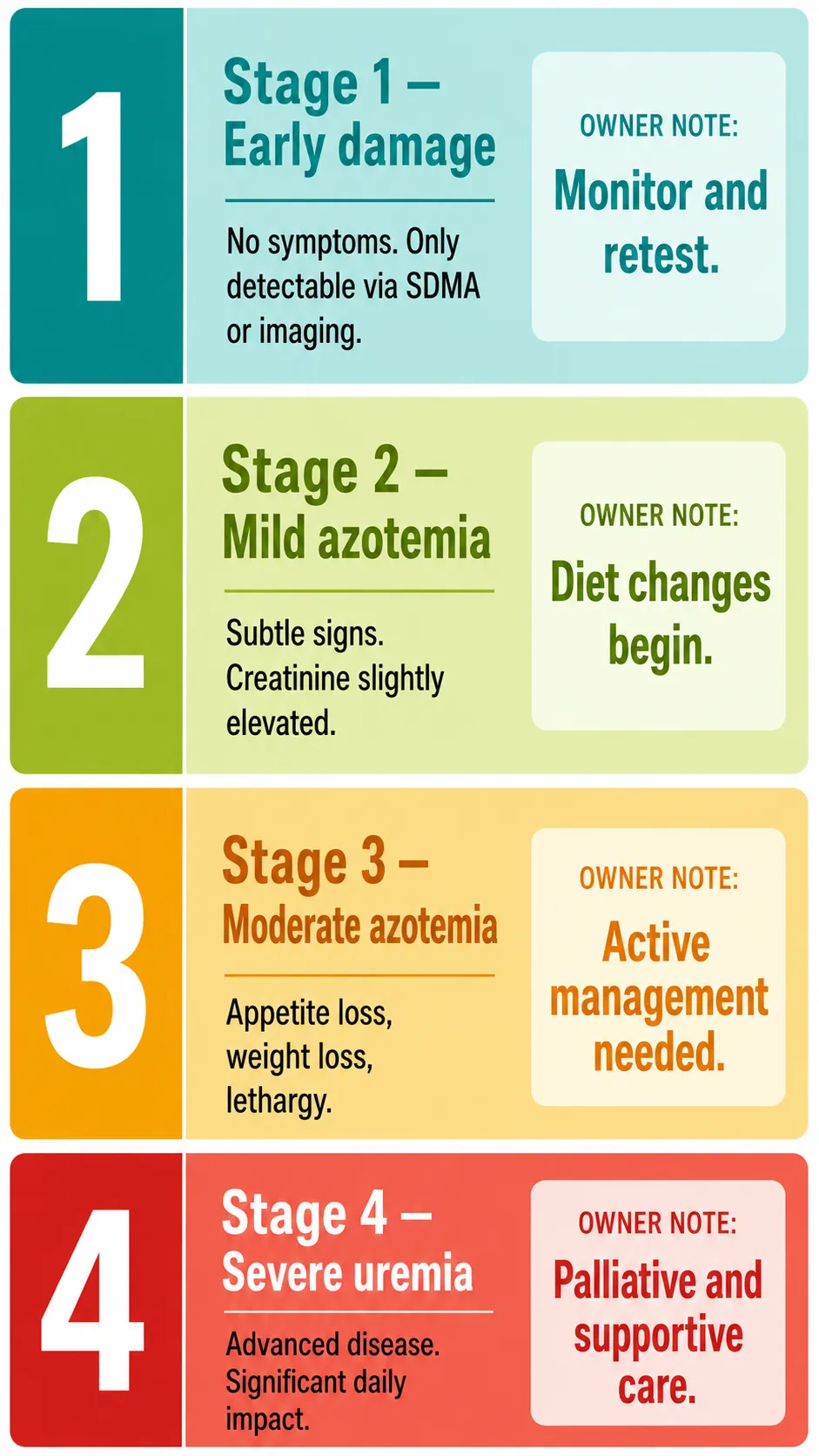
- Stage 1: Kidney damage is present, but blood creatinine remains within the normal range and the dog shows no symptoms. A persistently elevated SDMA above 18 µg/dL, abnormal ultrasound findings, or loss of urine-concentrating ability may be the only indicators. Owner translation: Something is changing. Monitoring and retesting are the priority.
- Stage 2: Mild azotemia, slightly elevated waste products in the blood. Clinical signs are often still absent or subtle. Creatinine typically runs 1.4-2.7 mg/dL (125-250 µmol/L). Owner translation: The kidneys are under measurable stress. Dietary changes and more frequent check-ups begin here.
- Stage 3: Moderate azotemia. Symptoms are usually present, reduced appetite, weight loss, lethargy, and sometimes vomiting. Creatinine ranges from 2.8-5.0 mg/dL (251-440 µmol/L). Owner translation: Your dog is feeling unwell from the disease. Active management is strongly recommended.
- Stage 4: Severe azotemia with creatinine above 5.0 mg/dL (440 µmol/L). Uremia is typically present and daily quality of life becomes the primary focus. Owner translation: Advanced disease. Palliative and supportive care are central.
The WATCH Framework: Is This a "Go Now," "This Week," or "Keep Watching" Situation?
After years of fielding panicked messages from dog owners, and navigating my own health scares with Barnaby, I built a simple four-part decision framework. The acronym is WATCH.
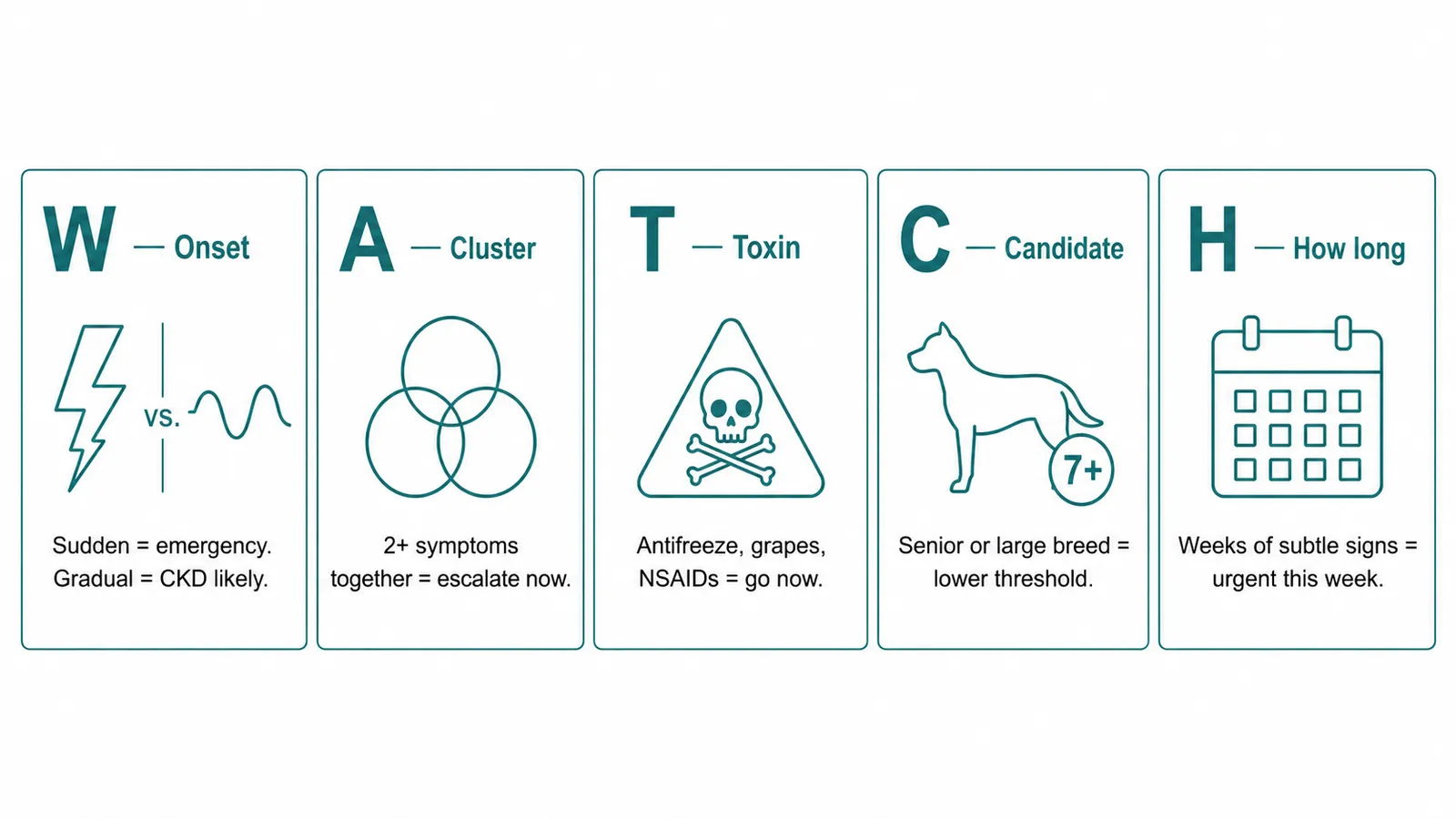
W, Was the onset sudden or gradual? Sudden-onset symptoms, vomiting that started yesterday, a dog that collapsed or stopped urinating, a possible toxin ingestion, require emergency care now. Gradual symptoms building over weeks point toward CKD rather than AKI. Gradual doesn't mean safe to ignore, but it does mean you have time to make an appointment rather than drive to an emergency clinic at midnight.
A, Are multiple symptoms present at once? One pattern that distinguishes kidney disease from simpler explanations is symptom clustering. A dog that's drinking more is concerning. A dog drinking more, eating less, and visibly losing weight over a month is a dog that needs bloodwork this week. If two or more early signs are present together, escalate your response.
T, Is there an odor or visual sign of toxin involvement? Uremic breath, that distinct ammonia or "old fish" smell, is a late sign of kidney disease demanding a same-day vet call. If you have any reason to believe your dog ingested antifreeze, grapes, raisins, or any unprescribed NSAID medication, skip the "book within the week" tier entirely. Toxin-related AKI can become fatal within 24 to 72 hours. That smell is uncommon, though: most bad breath in dogs traces back to dental disease instead.
C, Is your dog a high-risk candidate by age or breed? Large-breed dogs can show early kidney disease as young as seven. Senior Golden Retrievers are among the breeds with higher CKD risk, along with English Cocker Spaniels, Bull Terriers, and dogs with a history of renal dysplasia. For high-risk dogs, the bar for calling your vet should be lower, and annual kidney panels including SDMA are the smartest preventive investment.
H, How long has this been going on? Duration anchors everything else in the WATCH framework. A single episode of mild vomiting may be dietary. Three weeks of gradual weight loss, reduced appetite, and more frequent urination in a nine-year-old dog is a pattern. The longer the timeline of subtle symptoms, the more likely you're looking at CKD, and the more important early intervention becomes.
When Should I Take My Dog to the Vet?
Emergency, Go Now
- Your dog has stopped urinating entirely, or is producing very little urine despite drinking
- You know or strongly suspect your dog ingested antifreeze, grapes, raisins, or an unprescribed NSAID
- Your dog is showing trembling or shaking alongside weakness, sudden collapse, or pale gums
- Severe, repeated vomiting (more than 3-4 times in a few hours) and inability to keep water down
Same-Day Call
- Your dog's breath has a strong ammonia odor not explained by dental disease
- Vomiting has occurred multiple times per week for more than a week
- A sudden, dramatic increase in thirst and urination appeared within days
- Your dog is visibly weak, unsteady, or significantly less responsive than normal
Book Within the Week
- Your senior dog (over 7 for large breeds, over 10 for small breeds) is drinking noticeably more over the past several weeks
- Gradual, unexplained weight loss without a diet change
- Appetite has become inconsistent or picky over the past few weeks in a dog that previously ate well
- Your dog hasn't had bloodwork including SDMA in the past 12 months, even if currently healthy
What Look-Alikes Can Confuse the Picture?
Several common conditions mimic early kidney disease closely enough to fool owners.
| Kidney disease sign | Most common look-alike | Key differentiator |
|---|---|---|
| Increased thirst and urination | Diabetes mellitus | Diabetic dogs often have glucose in their urine (glucosuria) and may have cloudy urine; bloodwork will show elevated blood glucose |
| Increased thirst and urination | Urinary tract infection (UTI) | UTI dogs typically strain to urinate, may show blood in urine, and often seem uncomfortable; CKD dogs urinate frequently but without urgency or pain |
| Reduced appetite and lethargy | Dental pain / periodontal disease | Dental dogs often drop food, favor one side of the mouth, or respond to pain during jaw movement; kidney dogs lose appetite more globally |
| Vomiting and nausea | Liver disease | Liver disease often causes yellow-tinged gums or eyes (jaundice), elevated liver enzymes on bloodwork, and abdominal discomfort |
| Lethargy and weight loss | Medication side effects (NSAIDs, steroids) | Symptom onset correlates directly with starting a new medication; stopping the medication usually resolves the signs if it's drug-related |
What Will the Vet Check?
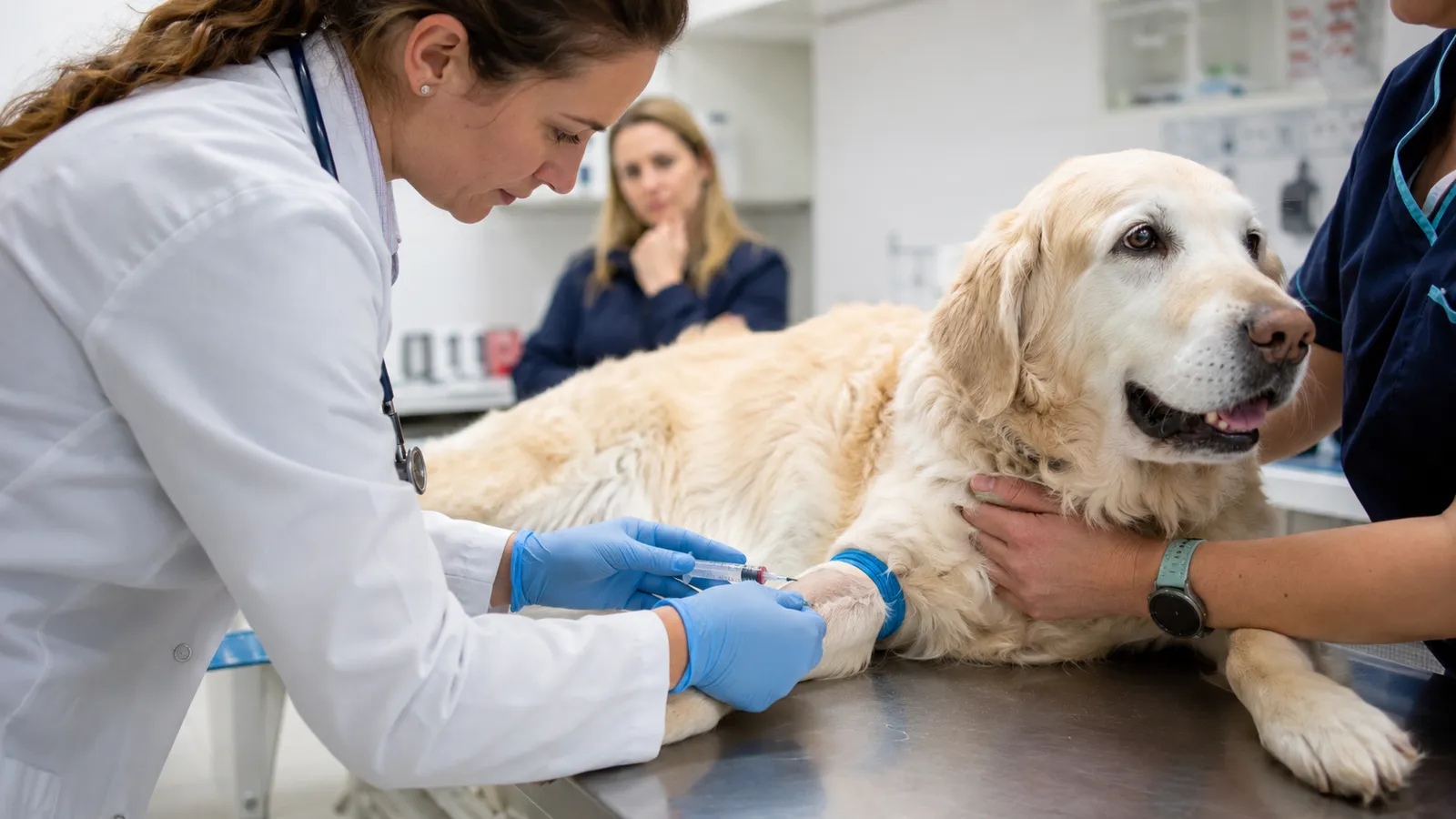
When kidney disease is suspected, your vet will typically run a panel of diagnostics.
Urinalysis examines urine concentration (specific gravity), protein levels, and microscopic content including casts. The Merck Veterinary Manual specifies that a urine specific gravity between 1.007 and 1.030 in a dehydrated or azotemic dog signals renal dysfunction, healthy kidneys should concentrate urine far more efficiently than this.
BUN and creatinine bloodwork measures waste products normally filtered by the kidneys. When both are elevated alongside dilute urine, the combination strongly suggests CKD. By the time creatinine rises above its reference range, the kidneys have typically lost 65-75% of their function.
SDMA (symmetric dimethylarginine) is a more sensitive early biomarker. It detects kidney disease when function has declined by roughly 40%, far earlier than creatinine. VCA Animal Hospitals notes that a dog with compensated early CKD may show normal BUN and creatinine but a slightly elevated SDMA, making it the most valuable test for catching disease in Stage 1 or 2.
Urine protein:creatinine (UPC) ratio assesses whether the kidneys are leaking protein, which indicates active damage and informs the IRIS substaging used to guide treatment.
Blood pressure measurement is essential because hypertension is a common and destructive complication of CKD, it accelerates kidney deterioration and can damage eyes, heart, and brain.
Abdominal ultrasound allows the vet to evaluate kidney size, shape, and architecture. Shrunken, irregular kidneys on imaging are among the key markers that distinguish CKD from AKI, as described in the Merck Veterinary Manual.
Questions owners ask
What are the first signs of kidney disease in dogs?
The first signs are increased water consumption and more frequent urination. Failing kidneys lose the ability to concentrate urine, so the body produces larger volumes of dilute urine and drives the dog to drink more to compensate. These two signs typically appear months before anything more obvious becomes noticeable.
Can kidney disease in dogs look like normal aging?
Yes, and that's what makes early CKD so difficult to catch. Gradual weight loss, reduced appetite, slightly lower energy, and drinking a bit more water are all consistent with normal aging in dogs over seven or eight. The key difference is pattern: CKD signs cluster together, worsen over time, and appear in combination. Annual bloodwork including SDMA is the only reliable way to distinguish early kidney disease from aging in a dog that seems "a little off."
Is vomiting always a sign of kidney disease?
No. Vomiting is not specific to kidney disease. In CKD, it typically signals waste product accumulation in the bloodstream (uremia), which usually appears in Stage 3 or 4 disease. Isolated vomiting without other kidney symptoms, increased thirst, weight loss, lethargy, is more likely explained by dietary indiscretion, gastritis, or pancreatitis.
What is the IRIS staging system for dog kidney disease?
The IRIS (International Renal Interest Society) system is the global standard for classifying CKD severity in dogs. It uses fasting blood creatinine and SDMA levels, assessed on at least two occasions in a stable patient, to assign dogs to one of four stages. Stage 1 is early damage with no symptoms; Stage 4 is severe disease with significant clinical illness. Your vet uses the IRIS stage to guide which interventions to start and how frequently to monitor.
How quickly does kidney disease progress in dogs?
It varies by individual dog, underlying cause, and how early it's detected. Some dogs with Stage 2 CKD remain stable for years with appropriate diet and monitoring. Others progress more quickly, particularly when proteinuria is present or blood pressure is uncontrolled. Early detection, ideally at Stage 1 or 2, gives the best opportunity to slow progression meaningfully.
This article is for informational purposes only and does not constitute veterinary medical advice. If your dog is displaying any of the symptoms described here, please consult a licensed veterinarian. Only a veterinarian can evaluate your individual dog, run the appropriate diagnostics, and provide a diagnosis and treatment plan.
Sources and further reading
- Chronic Kidney Disease in Dogs, VCA Animal Hospitals
- Kidney Disease in Dogs: Signs, Symptoms, Treatments, American Kennel Club
- Renal Dysfunction in Dogs and Cats, Merck Veterinary Manual
- IRIS Staging System, International Renal Interest Society
- Acute Kidney Failure in Dogs, BluePearl Veterinary Partners
- Chronic Kidney Disease & Renal Failure, BluePearl Veterinary Partners